Equipment / Brands
Headlamps Stoots pour la spéléologie: analyse, Pros et limites
Guide Stoots pour la spéléologie: Pros concrets, limites terrain, contrôles avant achat et lien direct vers le Comparison multi-Brands.
Lamp sheet / Lighting
Stoots is often selected for compact format and real field focus. It performs well in wet caving, with a higher total cost due to the dedicated ecosystem.
Stoots Yeti~ 4.0 /5
View the full multi-brand comparison 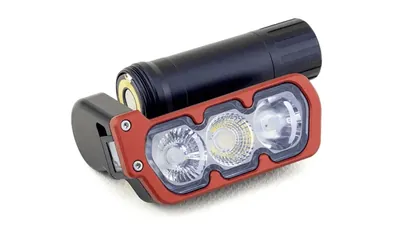
Key characteristics
| Theme | Characteristic |
|---|---|
| Format | Compact headlamps designed for technical caving use. |
| Energy | Dedicated battery and accessory ecosystem. |
| Beam | Configurations suited to progression and volume reading. |
| Water resistance | High water-resistance levels on reference models. |
| Positioning | Mid/high segment focused on compact performance. |
Pros
- Overall reliability is considered good on key models.
- Compact with useful output in progression.
- Very good waterproofing level on key models.
- Ergonomics and beam options suited to wet use.
Cons
- Higher entry budget than several alternatives.
- Total cost increases with dedicated batteries/accessories.
- Historical feedback mentions fragility on some mounting/support setups.
- Paddle button ergonomics are less convenient with thick muddy gloves.
- Video flicker is present: visible banding or pulsing brightness appears on camera when lamp driver frequency and camera frame rate are out of sync.
Best for
| Profile | Stoots fit |
|---|---|
| Regular caving | Very relevant if you want a compact and robust field-oriented headlamp. |
| Committed exploration | Relevant for users prioritizing beam control and water resistance. |
| Versatile club use | Interesting if the budget matches and the dedicated ecosystem is acceptable. |
| Small budget | Less suitable: other brands often deliver a lower total cost. |